Who Has to Live with the Wildlife We Protect? Preparing Children for a Wild Future.
Vijo Varghese
Who Has to Live With the Wildlife You Protect?
We want children to grow up caring about wildlife. But conservation also asks difficult questions: Who lives alongside the animals we protect? Who carries the risks when an elephant enters a farm, or a snake enters a home? And how do we help young people understand the lives of both the animals and their human neighbours?
As more children grow up with limited contact with nature, fear and unfamiliarity—biophobia—can shape how they respond to wildlife. Addressing that fear is part of preparing a generation that can make thoughtful decisions about nature. Outdoor education can build curiosity and connection while helping students understand the practical challenges of coexistence.
Drawing on OurLand’s work in Thailand with nature education, wildlife rescue and communities living near wildlife habitat, this session will explore how conservation stories can hold these perspectives together. Participants will take part in a small-group activity that brings a real-world coexistence dilemma to life and consider how they would teach it to their students.
Participants will leave with an adaptable approach for helping students ask better questions about wildlife, people and place. Protecting nature for the future means preparing people to care for it—and to live with it.
About Vijo
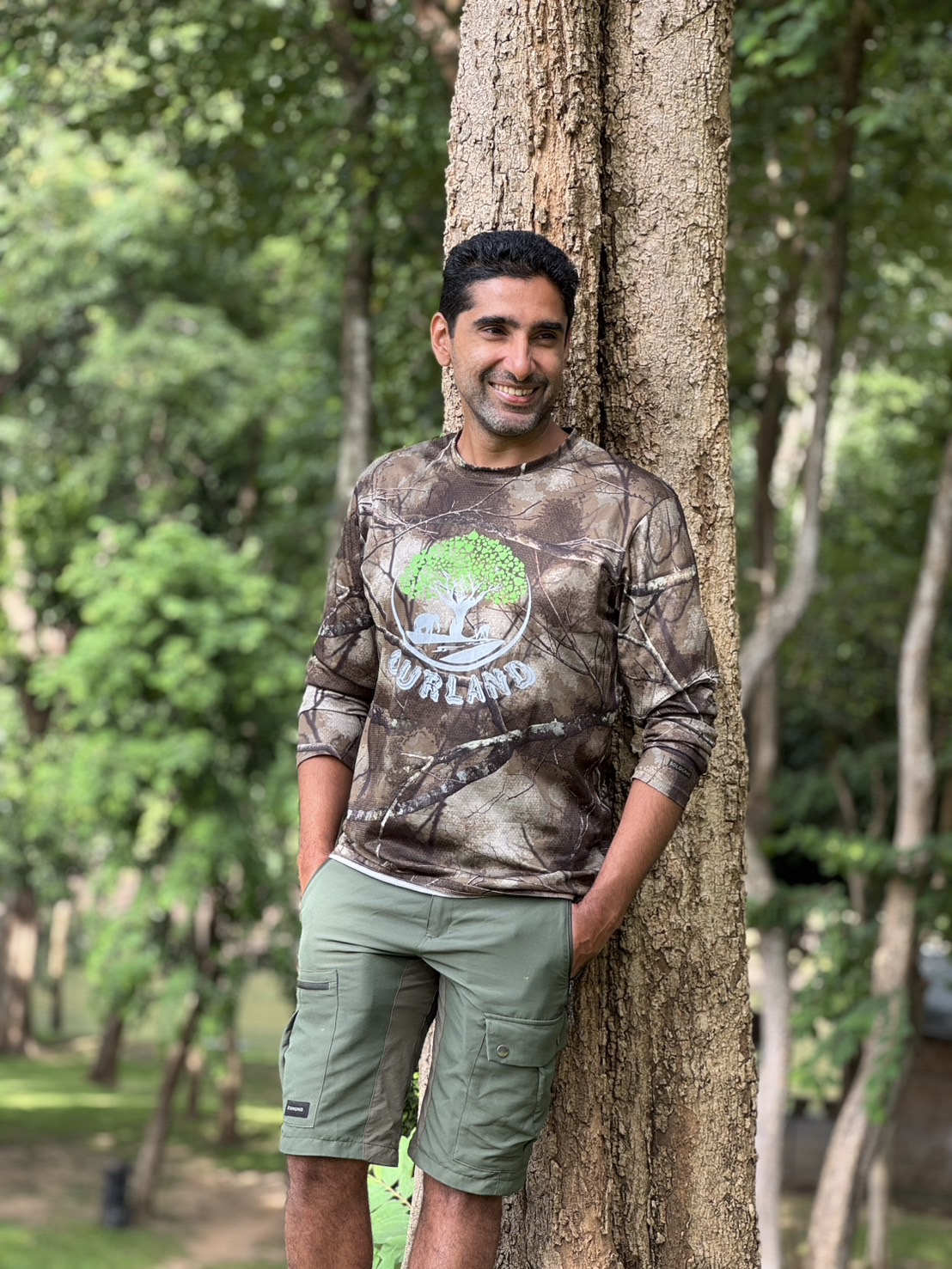
Vijo Varghese is the co-founder of OurLand, a nature conservation and education organization based in Kanchanaburi, Thailand, within an important wildlife corridor adjoining the biodiversity-rich Salakphra Wildlife Sanctuary. After leaving a career as a corporate executive, he dedicated himself to protecting and restoring wild spaces and developing practical models for people and wildlife to coexist.
Vijo’s work spans habitat restoration, human–wildlife coexistence, conservation education, snake and wildlife rescue, and Asian elephant conservation. A trained and experienced snake handler, he has spent years responding directly to wildlife conflicts while also working with communities, young people and conservation partners to build greater understanding of Thailand’s wildlife.
Through OurLand, he is helping develop a landscape-level approach to conservation that combines habitat protection, reforestation, wildlife corridors, community participation and environmental education. OurLand aims to protect and restore 1,000 rai of land over the coming five years, helping reconnect fragmented habitats and prevent further loss of natural areas.
OurLand’s work has been featured in a mini-documentary produced by the United Nations Convention to Combat Desertification (UNCCD) as part of the G20 Global Land Initiative. The organization has also received UNDP grant support for work connected to the Tiger Landscapes Investment Facility initiative, in partnership with Yunus Thailand Foundation on conservation and community-based initiatives.