High Altitude Travel: Risk Recognition and Responsible Leadership
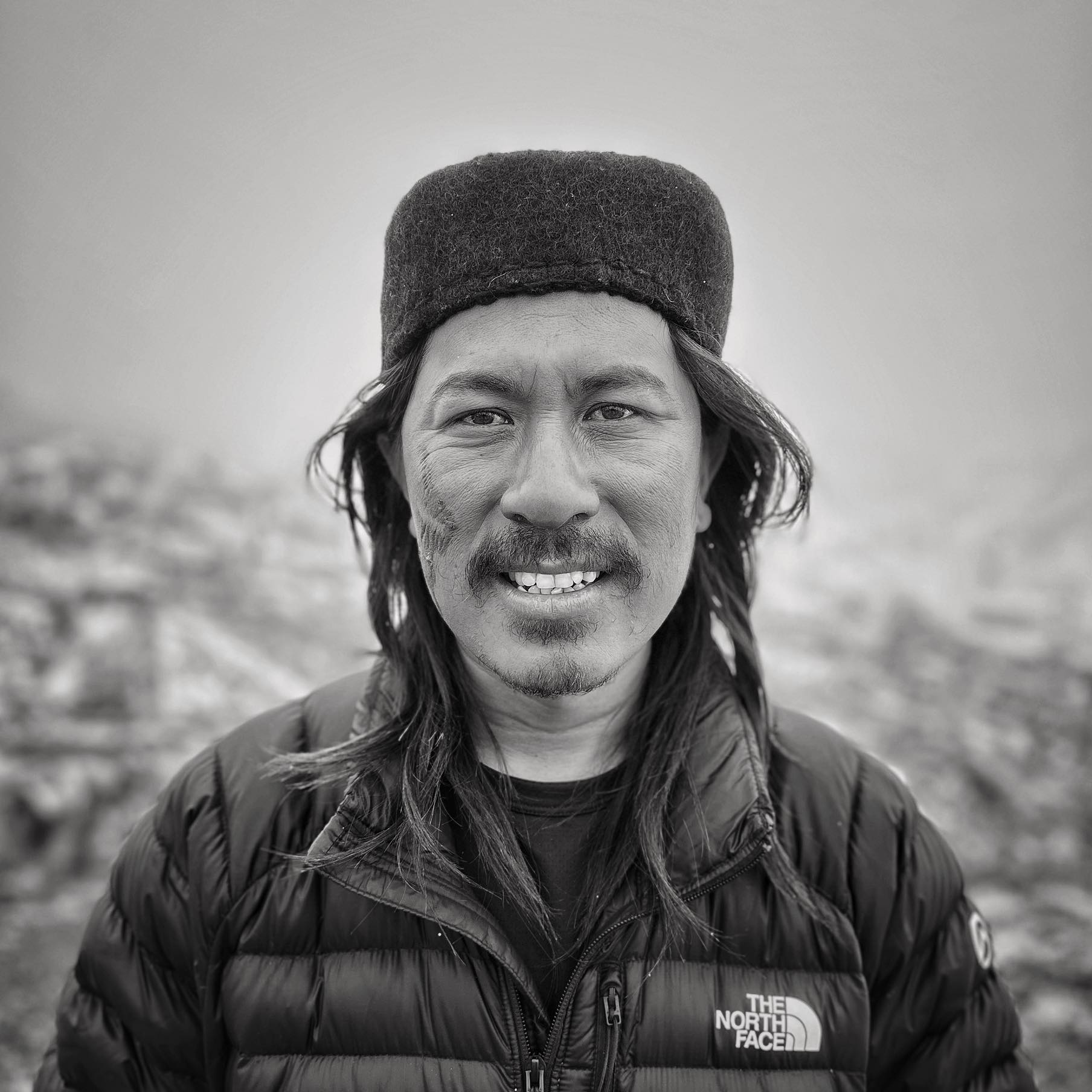
Rajesh Lama
High-altitude environments introduce physiological and operational risks that are often underestimated in student and experiential travel programs. As educational travel expands into higher elevations, leaders must understand there is more than just the inspiration of the mountains. This session is designed for international educators, program directors, and travel coordinators overseeing student or group travel above 2,500 meters (high altitude zone). It provides a practical overview of how altitude impacts the human body, the spectrum of altitude illness, and the operational decisions required in remote environments. Participants will learn how to recognize early warning signs, implement effective acclimatization strategies, establish clear evacuation thresholds, and strengthen duty of care protocols. The session integrates wilderness medicine principles with real-world expedition leadership experience from the Himalaya.
Attendees will leave with a structured framework to design safer itineraries, communicate risk transparently, and manage high-altitude programs with greater confidence and professional accountability.
About Rajesh
I am a mountaineer, outdoor educator, and Wilderness First Responder, as well as a self-proclaimed singer-songwriter. For over a decade, I have been guiding, traveling, and teaching about mountaineering, wilderness medicine, and expedition leadership in Nepal. My work takes me across the globe, and I draw inspiration from nature to compose music along the way. In 2024, I summited Mount Everest after a 432.6 km trek from Kathmandu, completing the journey entirely on foot without any mechanical support.