Bringing the IB Community Engagement to Life on Field Studies
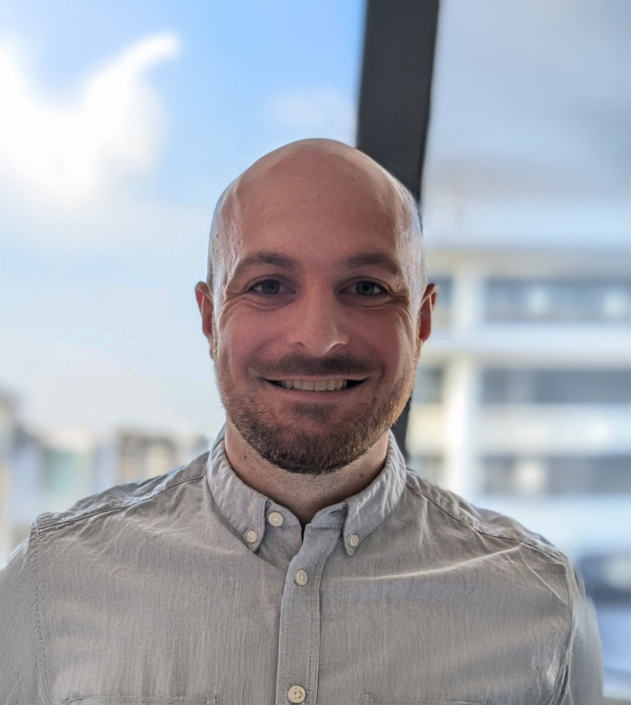
Shane Malone
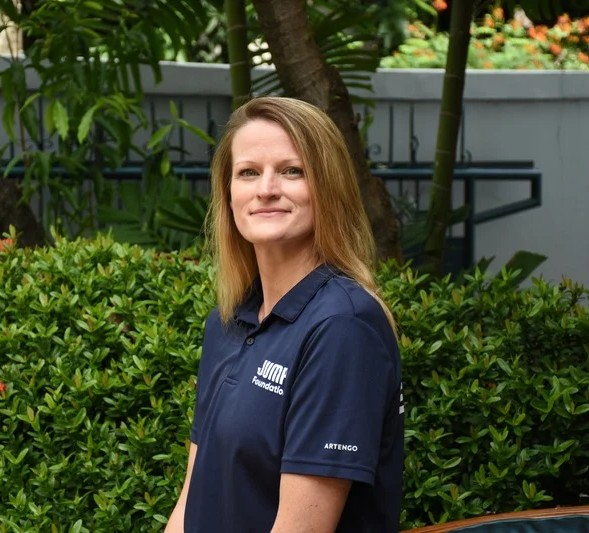
Shannon Fox
Why Community Engagement Matters, now more than ever, and how it can be done better.
This presentation looks into the future of IB, shifting focus from “service as action” to “community engagement” – being able to beta test opportunities and different models of community engagement across field studies to enhance and prepare the school for the upcoming shift in IB curriculum.
Community engagement is a form of learning in which students engage respectfully and equitably with their communities, utilizing knowledge and skills learned in the classroom. It provides opportunities for learners to engage responsively to opportunities and challenges in and with their communities, and to contribute positively through principled action.
IB Community Engagement: respectful, equitable, principled action in and with communities.
Field studies provide a unique context: authentic, place-based opportunities to connect learning with lived realities.
Key Activities:
Explore systems → Students analyze environmental, cultural, or social systems in the field (display outline for community building – Cambodia, Khao Chamao, Chanthaburi)
Foster dialogue and build relationships → Students engage with local communities, experts, or stakeholders.
(display outline for community building – Petchaburi)
Engage in reflective and reflexive practices → Structured journaling, group dialogue, reflexive questioning during/after field interactions.
(Showcase Journals – Yunnan Creativity programs)
Develop and conduct principled action → Designing collaborative projects, service initiatives, or advocacy efforts rooted in local contexts
(Yogyakarta Mural project and framework for artistic engagement)
Research and Advocacy, as highlighted by Chiang Mai: Systems exploration (mapping, data collection, cultural immersion, collaborative problem-solving)
Share data sheet – framework outline and further efforts with long-term research
Looking forward to how field studies activities can better align with the curriculum shifts and supporting students through their CAS and IB journeys.
About Shane
Shane Malone is Head of Experiential Education at Stamford American International School, where he leads the design and implementation of immersive learning programs across diverse environments in Asia with Jump! Foundation. Together, informed by best practices aligned with AEE and ISO, Shane leads the school-wide experiential education framework, oversees academic field studies, and aligns learning experiences with broader educational goals, including the Cognita Outdoor Education curriculum.
Shane began his career in Scotland in 2012, teaching secondary schools during the rollout of the Curriculum for Excellence and gaining early experience across PE, specialized sports schools, and student support roles. In 2014, he moved to the Middle East, teaching iGCSE, National Curriculum, and MYP in leadership roles, finding a passion for innovating curriculum. He relocated to Singapore in 2020, further broadening his expertise while completing a Master’s in Educational Leadership.
Responsible for academic excellence beyond the classroom – the experiential education at Stamford bringing real-world issues to the learning experience and fostering curiosity, personal growth, and a lifelong love of learning. Mandatory learning for all students, this program contributes to preparing students to navigate and contribute meaningfully to an interconnected, rapidly changing world.
Through his work, Shane continues to advance experiential education as a strategic driver of holistic student development, connecting curriculum, community engagement, and personal growth. Engaging students with global issues while coordinating multidisciplinary teams to ensure safe, inclusive, and impactful learning experiences.
About Shannon
Shannon Fox is an accomplished Field Research Specialist and environmental educator with over a decade of experience in marine biology, terrestrial ecology, environmental research, and program development. Shannon currently serves as the Program Director at the JUMP! Foundation, where for seven years, they have been designing and leading educational initiatives. Shannon has designed and implemented field studies curricula for various schools across China, Southeast Asia, Japan, the Middle East, the United States, and Africa.
Shannon’s expertise extends to developing and teaching ocean programs for DODEA in Okinawa, Japan. In addition, providing fieldwork support and marine research experience in diverse regions such as the UAE, Oman, South Africa, Japan, and Antarctica with a plethora of research roles from conducting shallow reef surveys, whale monitoring and tracking systems, shark scientist, and as a krill specialist with the Long-Term Ecological Research project for the United States Antarctic Program.
Holding a Master’s degree in Environmental Management and Conservation from the University of Maryland University College, Shannon’s work is driven by a passion for conservation, education, and sustainable practices, leveraging both scientific knowledge and hands-on field experience to make a positive impact.